
For 21 years, the Masaza Cup was a simple affair of bruising tackles, desperate goals, and the relentless drone of vuvuzelas.
It was raw village football, where men fought for Ssaza pride and fans roared from dusty terraces. Then 2026 arrived, and with it, an unexpected transformation.
As all Masaza embraced a grassroots movement, women from each ssaza stepped forward—not through any official pageant, not crowned by any judges, but self-proclaimed ambassadors of their counties.
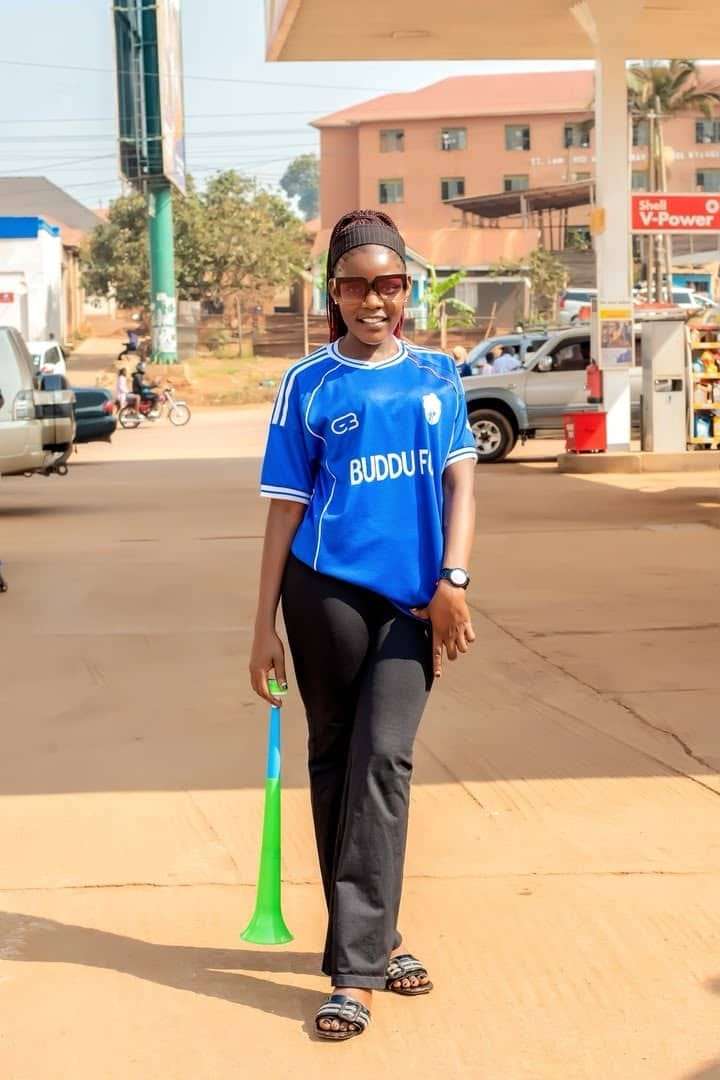
Miss Buddu, Miss Kyaggwe, Miss Gomba, Miss Butambala, Miss Ssese, Miss Kyadondo, Miss Bulemeezi, Miss Kabula, Miss Buvuma, Miss Buweekula, Miss Busujju, Miss Mawokota, Miss Kooki, Miss Bugerere, and Miss Buluuli simply declared themselves and took their place at the heart of the tournament.
What began as individual initiative soon became a movement. These women, driven by passion for their heritage rather than any crown, turned Uganda's most culturally significant football competition into a spectacular fusion of sport, beauty, and tradition.
The transformation is immediate. Stadiums that once echoed only with male voices now buzz with families. Before kickoff, a new ritual unfolds—the Masaza queens lead their teams onto the pitch, draped in attire and sashes bearing their Ssaza colors.
No selection committee chose them. No pageant crowned them. They simply answered a calling.
At Trinity College Nabbingo, when Gomba faced Busiro, Miss Gomba—who also serves as the team chairperson—led the team parade. The stadium erupted. Young girls who had never watched football now flocked to the grounds to see their Ssaza queen.
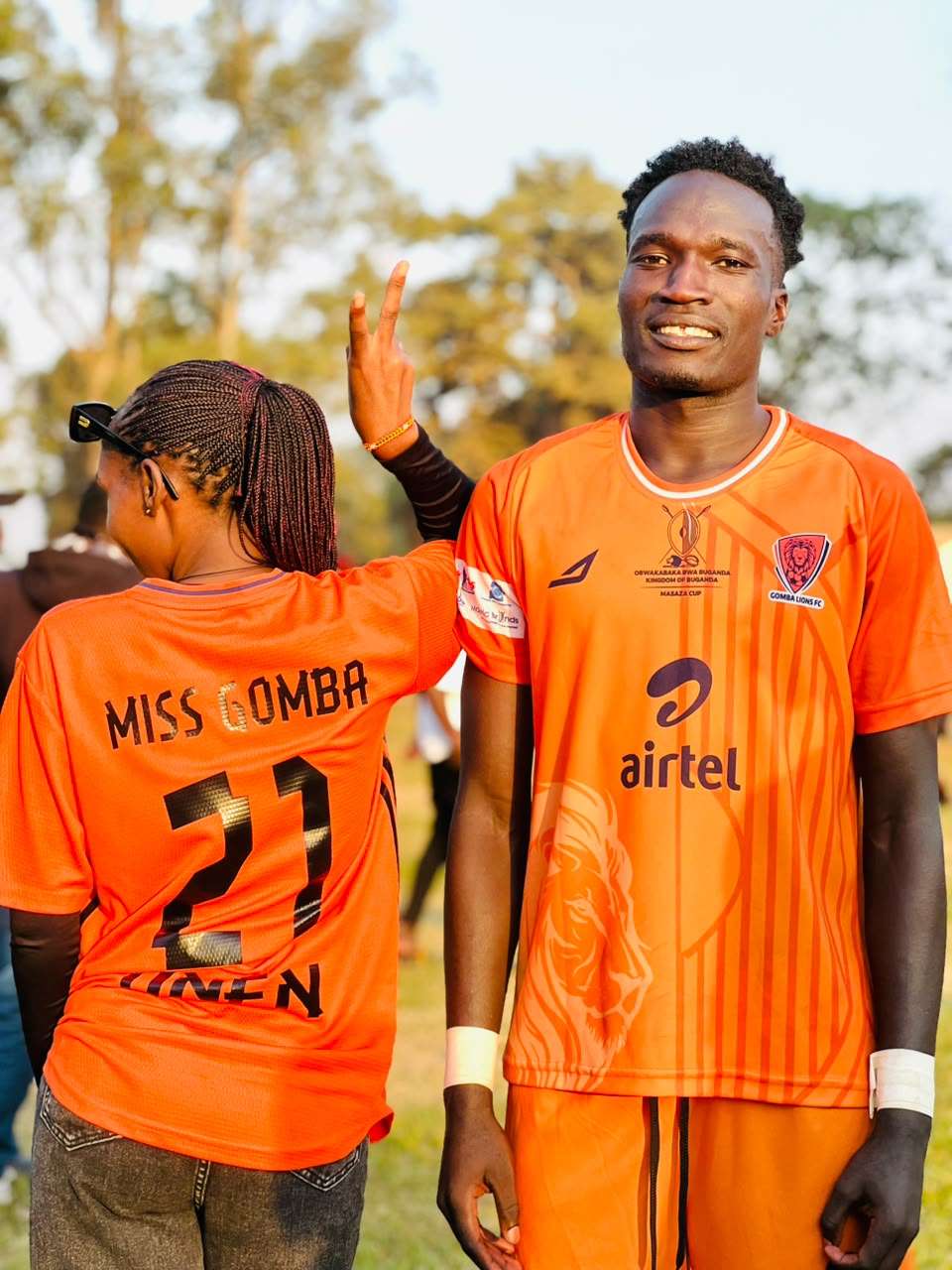
The self-proclaimed title meant nothing to the fans; what mattered was the representation, the pride, the visible presence of women at the heart of the tournament.
These women are not mere figureheads. Though no official contest selected them, they have embraced their roles with remarkable seriousness. They teach players the ssaza anthems, ensuring cultural songs survive.
They lead HIV/AIDS campaigns themed "Men Must Take the Lead to Save the Girl Child," standing with team captains to sensitize fans on critical social issues.
During halftime, they transform the break into a cultural showcase—Maganda, Baakisiimba, and other traditional dances that remind spectators of their roots. No one appointed them to this role. They simply recognized a void and filled it.
At Bishop's SS in Mukono, Kyagwe fans danced wildly with banana leaves, but it was Miss Kyagwe who stole the show, leading chants in a Lusoga-Luganda fusion that left even rival Gomba supporters applauding.
Her self-proclaimed status mattered little; her impact was undeniable.

The Masaza Cup has always been monumental in rural communities, but these self-appointed queens have catapulted it into Kampala's urban consciousness. The Masaza queens dominate TikTok Lives from team camps and matchday photoshoots
The biggest statement came from Gomba. The record five-time champions appointed two formidable women to lead their quest for a sixth trophy—Chairperson Jane Namatovu and Team Manager Resty Mbatide Namugema, working hand-in-hand with Miss Gomba for promotion. Unlike the queens, these were official appointments, but together they created a powerful female presence.
And they delivered. Gomba qualified for the quarterfinals, proving that female leadership is not just symbolic—it's victorious.
These self-proclaimed queens have manifested that unity, bringing mothers, sisters, and daughters to the stadium in unprecedented numbers. The tournament is no longer a men's exclusive—it's a family gathering.
A cultural carnival. A celebration of identity. And a fierce football war, all wrapped into one unforgettable spectacle.
In 2026, the Masaza Cup discovered that sometimes the most powerful movements begin not with official recognition, but with individuals who simply decide to show up, represent, and make a difference. No contest crowned them. No judges validated them. The people did.
The glamour has arrived—self-made, self-proclaimed, and utterly irresistible.

No comments yet. Be the first to share your thoughts!